
Wine, Health, and the Science of Moderation: It’s Time for a More Balanced Conversation
By Kathleen Inman, Owner & Winemaker, Inman Family Wines
 Is an occasional glass of wine really as dangerous as some recent headlines would have us believe? As a winemaker, I’ve followed the increasingly alarming headlines about alcohol and cancer with considerable interest — and, at times, frustration.
The January 2025 U.S. Surgeon General advised that alcohol increases the risk of certain cancers,
There is substantial scientific evidence supporting concerns about health and alcohol, and I don’t dismiss it.
But I do question whether the public conversation has adequately distinguished between someone who drinks heavily and someone who enjoys an occasional glass of wine with dinner.
Two recent studies invite us to remember that the conversation on this topic is ever evolving and that health requires thinking.
Light drinkers had lower cancer mortality.
In a 13-year study of nearly 27,000 American adults published in the Journal of General Internal Medicine, people who had up to three drinks a week had a 13% lower hazard of dying from cancer than nondrinkers.
That’s related to alcohol in general. What about when it comes to wine?
Another 2026 study, focused on wine specifically, showed no significant link to most cancers. The review of 27 meta-analyses found no significant association between wine and most cancer types, including colorectal, gastric, bladder, endometrial, ovarian, and lung.
The research suggests drinking patterns matter. Both studies challenge the idea of implying that every amount and every type of alcohol carries the same health outcomes. Both studies say continued research is needed.
Health is about more than one thing.
One of the conclusions that stuck out for me from the first study I mentioned, was the researchers’ call to consider health more holistically.
They emphasized the importance of regular physical activity, of not smoking, of eating a balanced diet and moderate alcohol consumption together, rather than examining individual behaviors in isolation.
That perspective resonates deeply with me.
At Olivet Grange,, growing things is part of everyday life.
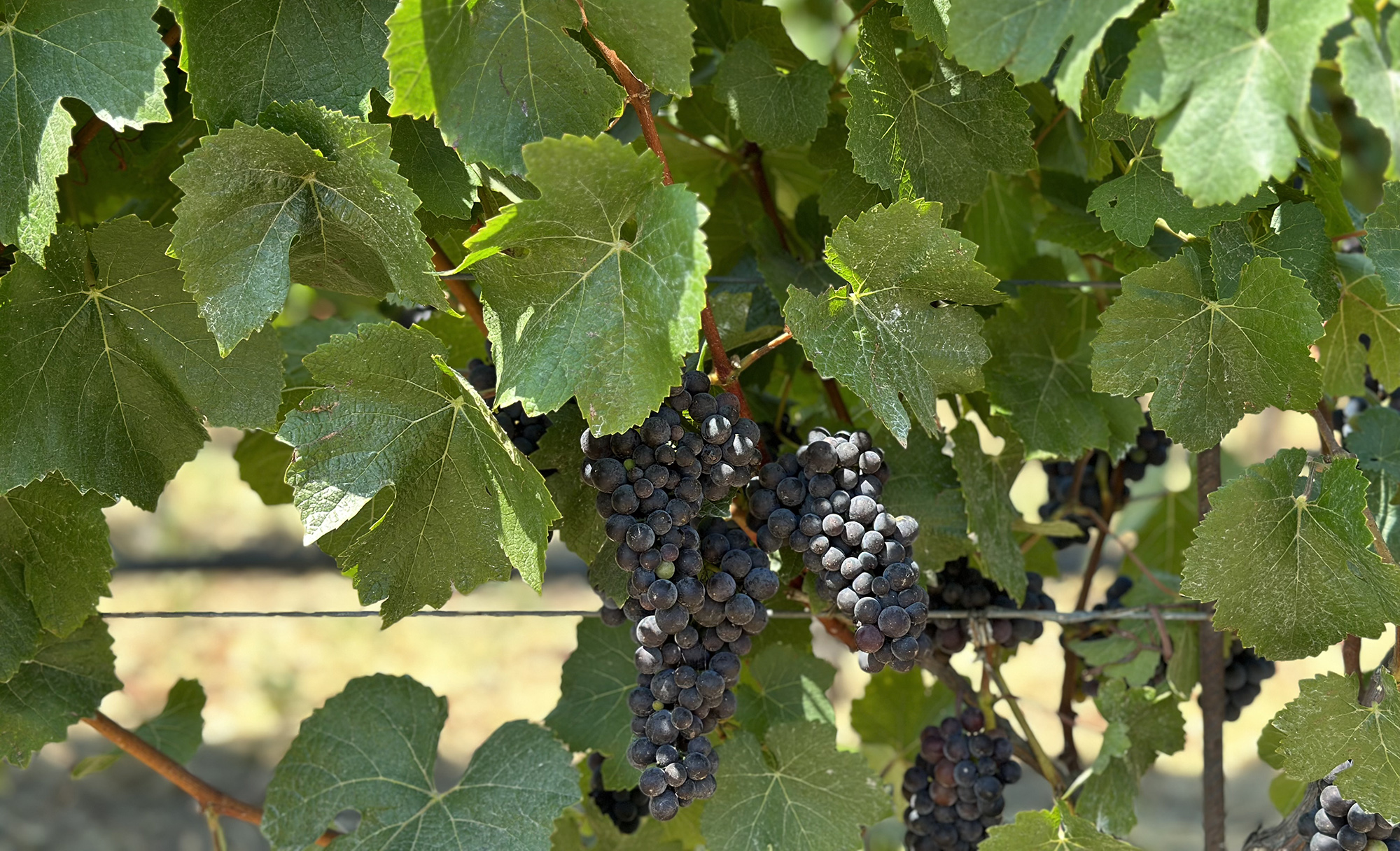
At our home, alongside our organically farmed grapevines on our estate vineyard in Sonoma County’s Russian River Valley, we grow most of our own vegetables and fruit.
And yes, we enjoy wine.
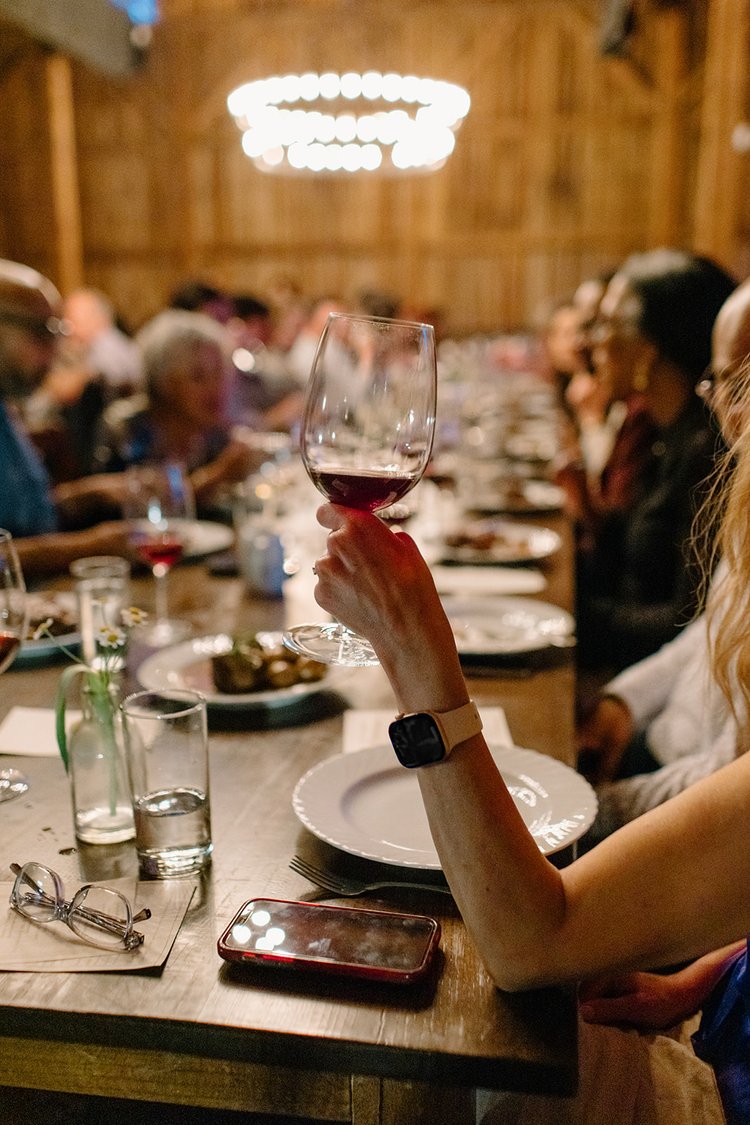
For me, wine is part of the pleasure of a thoughtfully prepared meal, good conversation and time spent with family and friends.
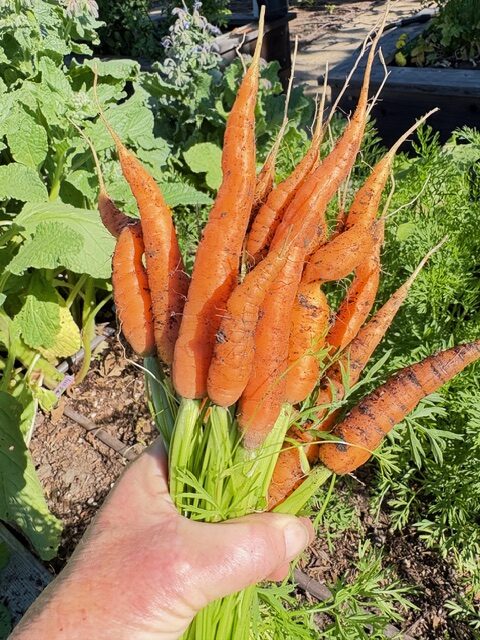 I recognize that growing vegetables, exercising, and eating well do not cancel out the cancer risks associated with alcohol. But I also believe that reducing the discussion of health to a single dietary component overlooks the broader context in which people live.
The traditional Mediterranean diet offers an interesting example of this broader approach.
It emphasizes vegetables, fruit, legumes, whole grains, olive oil and other minimally processed foods, together with regular physical activity and shared meals.
Historically, moderate wine consumption with food has been part of most Mediterranean cultures for thousands of years.
Numerous studies have associated Mediterranean dietary patterns with favorable health outcomes, including reduced risks of certain chronic diseases.
My perspective as a winemaker.
I believe wine is something to savor, not something to consume thoughtlessly. I believe in the physical and mental health benefits of spending time with friends around the dinner table.
I also believe in fresh, organic food, physical activity, responsible choices and taking pleasure in the everyday rituals that enrich our lives.
I would never suggest that someone begin drinking wine for health reasons, or that people who avoid alcohol should reconsider.
But we should be able to acknowledge the established risks of alcohol while remaining open to research that explores the complexity of those risks.
At Inman Family Wines, we’ll continue to focus on what we know and love: farming responsibly, making beautiful wines, growing good food and sharing the pleasures of the table.
Cheers to moderation, curiosity, good food, and a more thoughtful conversation about wine.
Sources:
- Weill Cornell Medicine, May 2026
Pinheiro, L. C., et al. Reevaluating the Alcohol–Cancer Link: Long-Term Cancer Mortality Outcomes in the REGARDS Study. Journal of General Internal Medicine.
https://doi.org/10.1007/s11606-026-10479-3 - University of Perugia, October 2026
Bertola, C., et al. Wine Intake and Cancer Risk: An Umbrella Review of Meta-Analyses. Cancer Epidemiology.
https://doi.org/10.1016/j.canep.2026.103241